

Introduction
Waste management is a crucial aspect of urban planning and environmental sustainability. Efficient waste collection and disposal are essential to maintain a clean and healthy living environment for residents. Garbage compactor trucks play a vital role in this process by collecting, compacting, and transporting solid waste from households, commercial establishments, and public areas to landfill sites or recycling facilities. In recent years, there has been a growing emphasis on designing garbage compactor trucks with easy access features to enhance operational efficiency and safety for sanitation workers. This article explores the importance of easy access design in garbage compactor trucks and its benefits in streamlining waste management practices.
The Need for Garbage Compactor Trucks with Easy Access
Garbage compactor trucks are indispensable in urban waste management systems, as they help prevent littering, reduce odors, and minimize the spread of diseases associated with improper waste disposal. These vehicles are equipped with compactors that compress the waste to maximize the payload capacity and minimize the number of trips required for collection. However, the traditional design of garbage compactor trucks often poses challenges for sanitation workers in terms of accessibility, safety, and ergonomics.
One of the primary issues with conventional garbage compactor trucks is the lack of easy access to the loading and compaction mechanisms. Sanitation workers are required to climb onto the vehicle or use ladders to reach the hopper and compacting unit, increasing the risk of injuries and accidents. Moreover, the process of manually loading and compacting waste in hard-to-reach areas can be physically demanding and time-consuming, leading to inefficiencies in waste collection operations.
To address these challenges, there is a growing demand for garbage compactor trucks with easy access design features that prioritize the safety and well-being of sanitation workers while optimizing the collection process. By incorporating user-friendly access points, ergonomic controls, and automated systems, modern garbage compactor trucks are revolutionizing the way waste management services are delivered in urban areas.
Key Features of Garbage Compactor Trucks with Easy Access
Garbage compactor trucks with easy access design are equipped with a range of features and technologies that enhance operational efficiency, safety, and convenience for sanitation workers. Some of the key features include:
1. Side-Loading Mechanism: Unlike traditional rear-loading compactor trucks, modern models are designed with side-loading mechanisms that allow for easier access to the hopper and compaction unit. This design eliminates the need for workers to climb onto the vehicle, reducing the risk of falls and injuries.
2. Hydraulic Lift Systems: Garbage compactor trucks are equipped with hydraulic lift systems that raise and lower the loading platform to the ground level, making it easier for workers to load waste containers and bins. This feature minimizes physical strain and improves the overall ergonomics of the collection process.
3. Automated Compaction Systems: Many modern garbage compactor trucks are equipped with automated compaction systems that streamline the waste compression process. These systems use sensors and controls to regulate the compaction force, ensuring optimal compression levels without manual intervention.
4. Easy-to-Use Controls: User-friendly control panels and interfaces are integrated into garbage compactor trucks to simplify operation for sanitation workers. Intuitive controls allow for seamless adjustment of compaction settings, hydraulic functions, and other operational parameters.
5. Safety Features: Garbage compactor trucks with easy access are equipped with advanced safety features such as anti-slip surfaces, handrails, emergency stop buttons, and backup cameras to enhance worker safety during collection operations. These features help prevent accidents and injuries in the workplace.
Benefits of Garbage Compactor Trucks with Easy Access
The adoption of garbage compactor trucks with easy access design offers several benefits for waste management authorities, sanitation workers, and the community at large. Some of the key advantages include:
1. Improved Worker Safety: Easy access features in garbage compactor trucks reduce the risk of accidents and injuries for sanitation workers by eliminating the need to climb onto the vehicle or manually handle waste in hard-to-reach areas. Enhanced safety measures such as anti-slip surfaces and handrails further enhance worker protection during collection activities.
2. Increased Operational Efficiency: Garbage compactor trucks with easy access streamline the waste collection process, allowing for faster loading, compaction, and transport of solid waste. The ergonomic design and automated systems minimize physical strain on workers, leading to higher productivity and efficiency in waste management operations.
3. Enhanced Service Quality: By investing in garbage compactor trucks with easy access features, waste management authorities can deliver high-quality services to residents and businesses. Improved accessibility and faster collection times contribute to cleaner neighborhoods, reduced odor emissions, and better overall waste management practices.
4. heli truck : The use of garbage compactor trucks with easy access can result in cost savings for waste management agencies through reduced maintenance expenses, lower fuel consumption, and increased operational uptime. The efficiency gains achieved by these vehicles translate into long-term financial benefits for municipal governments and private waste management companies.
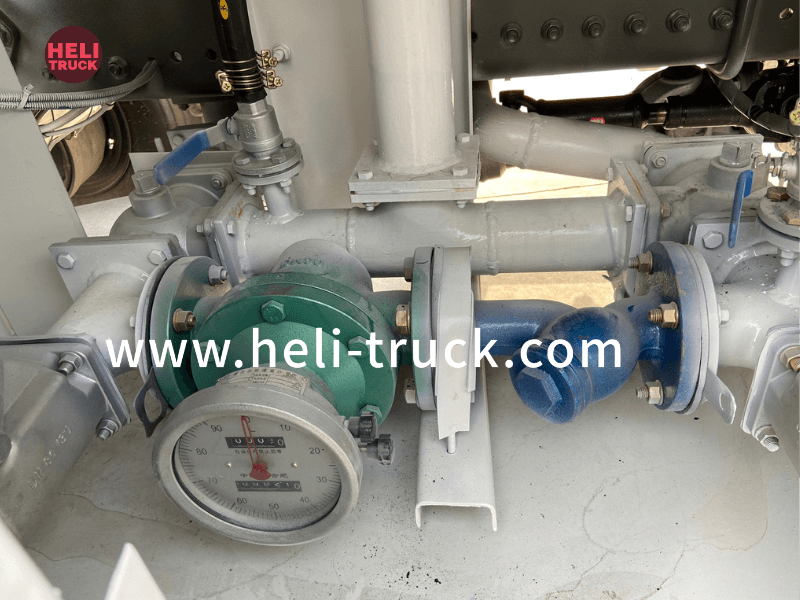
5. Environmental Sustainability: Efficient waste collection and disposal facilitated by garbage compactor trucks with easy access contribute to environmental sustainability by minimizing the environmental impact of solid waste. By compacting the waste and reducing the number of collection trips, these vehicles help reduce carbon emissions, conserve fuel resources, and promote recycling and waste diversion initiatives.
Case Studies and Success Stories
Several cities and municipalities around the world have successfully implemented garbage compactor trucks with easy access design to enhance their waste management practices. For example, the city of Singapore has deployed a fleet of modern compactor trucks equipped with side-loading mechanisms and automated compaction systems to improve operational efficiency and worker safety. The streamlined collection process has led to cleaner streets, reduced collection times, and increased recycling rates in the city.
In New York City, the Department of Sanitation introduced a pilot program using garbage compactor trucks with hydraulic lift systems and ergonomic controls to test the feasibility of easy access designs in urban environments. The program resulted in positive feedback from sanitation workers, who reported reduced physical strain and improved job satisfaction due to the user-friendly features of the new vehicles.
Conclusion
Garbage compactor trucks with easy access design are transforming the way waste management services are delivered in urban areas, offering a range of benefits for sanitation workers, waste management authorities, and the community. By prioritizing worker safety, operational efficiency, and environmental sustainability, these vehicles play a crucial role in maintaining clean and healthy living environments for residents. As the demand for efficient waste management solutions continues to grow, the adoption of garbage compactor trucks with easy access features is expected to become increasingly prevalent in cities and municipalities worldwide. By investing in modern compactor trucks with user-friendly design elements, waste management agencies can enhance service quality, reduce costs, and contribute to a more sustainable future for generations to come.